
Paint vs. Stain for Fences: Which Is the Better Choice?

A wooden fence does more than just mark property lines. It frames your home, offers privacy, and keeps pets and children safe. However, wood is an organic material, which means it is susceptible to rot, UV damage, and weathering. Without proper protection, that beautiful cedar or pine installation will eventually turn gray and brittle.
Homeowners generally have two primary options for protecting their investment: paint or stain. Both methods shield the wood from the elements, but they do so in very different ways. Choosing between them involves balancing your aesthetic preferences with your willingness to perform maintenance down the road. Whether you want a bold pop of color or a natural, rustic look, understanding the pros and cons of each material is the first step toward a long-lasting fence.
Key Takeaways
Protection mechanism: Paint forms a surface film that blocks UV rays and moisture, while stain penetrates the wood fibers to prevent rot from the inside out.
Maintenance: Paint lasts longer but requires scraping and sanding when it eventually fails; stain fades gradually and is generally easier to reapply.
Aesthetics: Paint offers unlimited color choices and a uniform finish, whereas stain highlights the natural grain and texture of the wood.
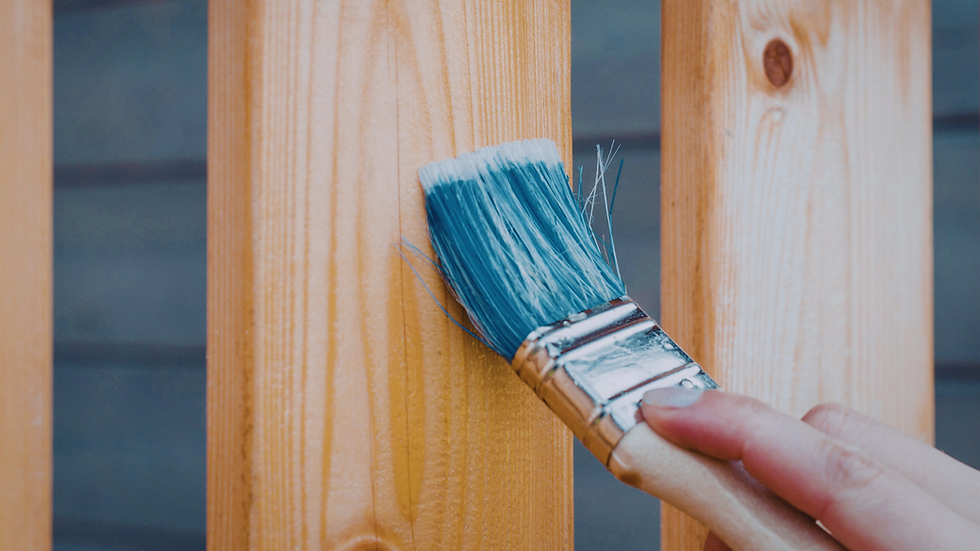
The Case for Painting Your Fence
Paint is often the go-to choice for homeowners who want a specific color scheme or a clean, modern look. Because paint is a solid coating, it sits on top of the wood rather than soaking in. This creates a distinct set of advantages and challenges.
The Benefits of Paint
The primary advantage of paint is its thickness. High-quality exterior latex or oil-based paint creates a robust shield against the sun and rain. Because it completely covers the wood, it provides excellent UV protection, preventing the wood fibers from breaking down.
Aesthetically, paint offers versatility. If you want your fence to match the trim of your house, the color of your shutters, or even your garden shed, paint can make that happen. It is also excellent for covering imperfections. If your fence is older and has mismatched boards or significant weathering, a coat of solid paint can make it look brand new and uniform.
The Drawbacks of Paint
The downside of that thick, protective shell is what happens when it fails. Over time, moisture can seep into the wood through cracks or from the ground up. If moisture gets trapped behind the layer of paint, it causes the film to bubble, crack, and peel.
Once paint starts to peel, fixing it is labor-intensive. You cannot simply paint over the damage. You must scrape off the loose paint, sand the surface smooth, and prime the bare wood before applying a new topcoat. This maintenance requirement is the main reason some homeowners hesitate to choose paint.
The Case for Staining Your Fence
Stain works differently. Instead of forming a film on the surface, it soaks into the pores of the wood. It seals the timber against moisture while allowing the natural grain and texture to remain visible.
The Benefits of Stain
Stain is often preferred for its natural aesthetic. It enhances the beauty of the wood rather than masking it. You can choose from clear, semi-transparent, or solid color stains depending on how much grain you want to see.
From a maintenance perspective, stain is generally more forgiving. It does not crack or peel like paint. Instead, it fades gradually over time as it is exposed to sunlight. When it comes time to re-coat the fence, the process is usually simpler. In many cases, a good power wash is all the prep work required before applying a fresh coat of stain. This ease of reapplication makes it a favorite for DIY enthusiasts.
The Drawbacks of Stain
While stain is easier to apply, you will likely need to do it more often. Depending on the quality of the product and the local climate, a stained fence may need attention every two to three years, whereas a quality paint job might last five to seven years.
Additionally, stain offers less UV protection than solid paint, especially if you choose a clear or semi-transparent variety. The sun can still gray the wood over time if the stain lacks sufficient UV blockers. Furthermore, stain is not effective at hiding imperfections. If your fence has mixed wood types or unsightly knots, stain will highlight these features rather than hide them.
Comparing Cost and Durability
When budgeting for this project, consider both the upfront cost and the long-term investment.
Upfront Cost: Paint materials are often cheaper per gallon than high-end stains. However, painting requires primer and typically more gallons to get good coverage. Staining often requires less material but can be more expensive per unit.
Labor: If you are hiring a professional, painting usually costs more due to the extensive prep work (priming, multiple coats). Staining is faster to apply.
Longevity: Paint wins on duration, often lasting 5-10 years before needing major work. Stain usually lasts 2-5 years. However, the effort required to fix peeling paint often outweighs the frequency of restaining.
Which Option Is Right for Your Climate?
Your local environment plays a massive role in this decision. In areas with high humidity or harsh winters, wood expands and contracts significantly.
For homeowners in New Jersey, dealing with four distinct seasons means your fence takes a beating. The humid summers can prevent paint from curing properly if not timed right, and the freeze-thaw cycles of winter can accelerate peeling.
If you are looking for a reliable Fence Staining Contractor South Jersey residents trust, it is essential to ask about their specific products for this climate. A penetrating oil-based stain often performs exceptionally well in regions with variable weather because it moves with the wood rather than fighting against it.
Conversely, if you prefer the look of paint, surface preparation is non-negotiable. As a leading Painting Company Pitman NJ homeowners rely on, Steady Hands Painting ensures that any painted fence is properly cleaned, dried, and primed to withstand the local weather patterns, minimizing the risk of premature peeling.
Image Alt Tag Suggestion
Alt Tag: Close-up of a paintbrush applying redwood stain to a wooden privacy fence, showing the wood grain texture.
Protecting Your Investment for the Long Haul
Ultimately, the choice between paint and stain comes down to your personal taste and your maintenance philosophy. If you love a crisp, colorful look and don't mind a heavy-duty scraping job once a decade, paint is a fantastic option. If you prefer the rustic look of natural wood and want a maintenance routine that involves more frequent but less intensive work, stain is likely the better fit.
Regardless of which path you choose, the key to a long-lasting fence is professional application. Improper prep work is the leading cause of failure for both paint and stain. Don't let your hard work wash away with the next rainstorm.
Ready to give your fence a makeover? Contact Steady Hands Painting today. Whether you need a fresh coat of solid color or a penetrating protective stain, our team has the expertise to keep your fence looking its best for years to come.


Comments